On accidentally creating Sentient Book
I Accidentally Created a Sentient Book (And Why You Need One for Your RPG)
I “accidentally” wrote a 500-page book in two weeks.
It started as a project for my kids. We were playing tabletop RPGs in the evenings, and I wanted my sessions to feel just a bit more real. I noticed that when the NPCs were grounded, interconnected, and actually had to worry about the repercussions of their actions, the games played better. The stakes felt higher because the world felt heavier.
So, I dove down the rabbit hole. I started researching the actual occupations found in the medieval period—since that’s the tech level much high fantasy is roughly based on (ignoring the fireballs for a moment). I wanted to present thinly veiled history to my kids in the context of a game. OK, so I limited out my paid AI account every day for 2 weeks straight because I don’t have the time to do that much research in a library.
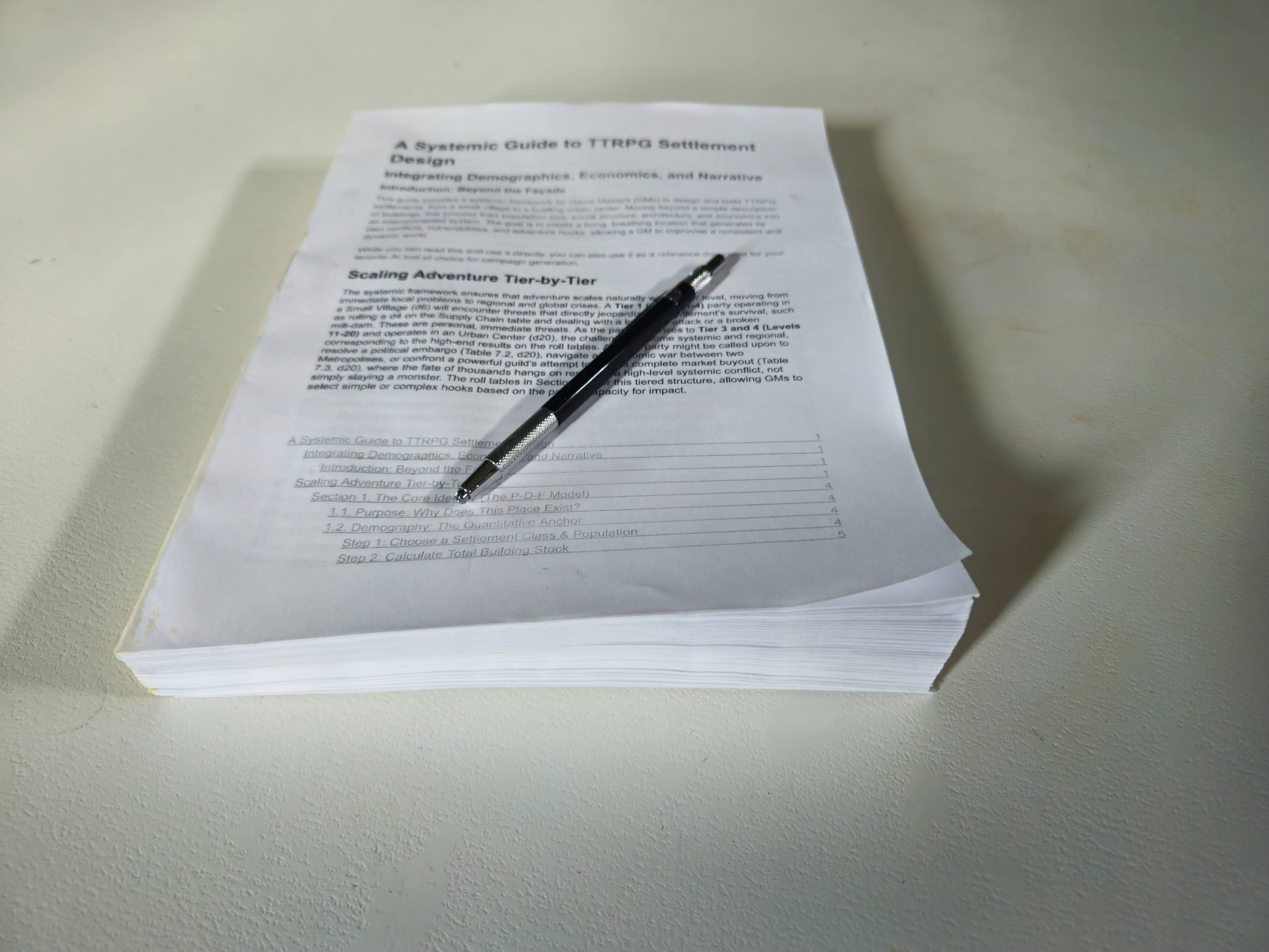
A couple of weeks later, I had a rough draft. I printed it out just to see it physically. It was over 500 pages.
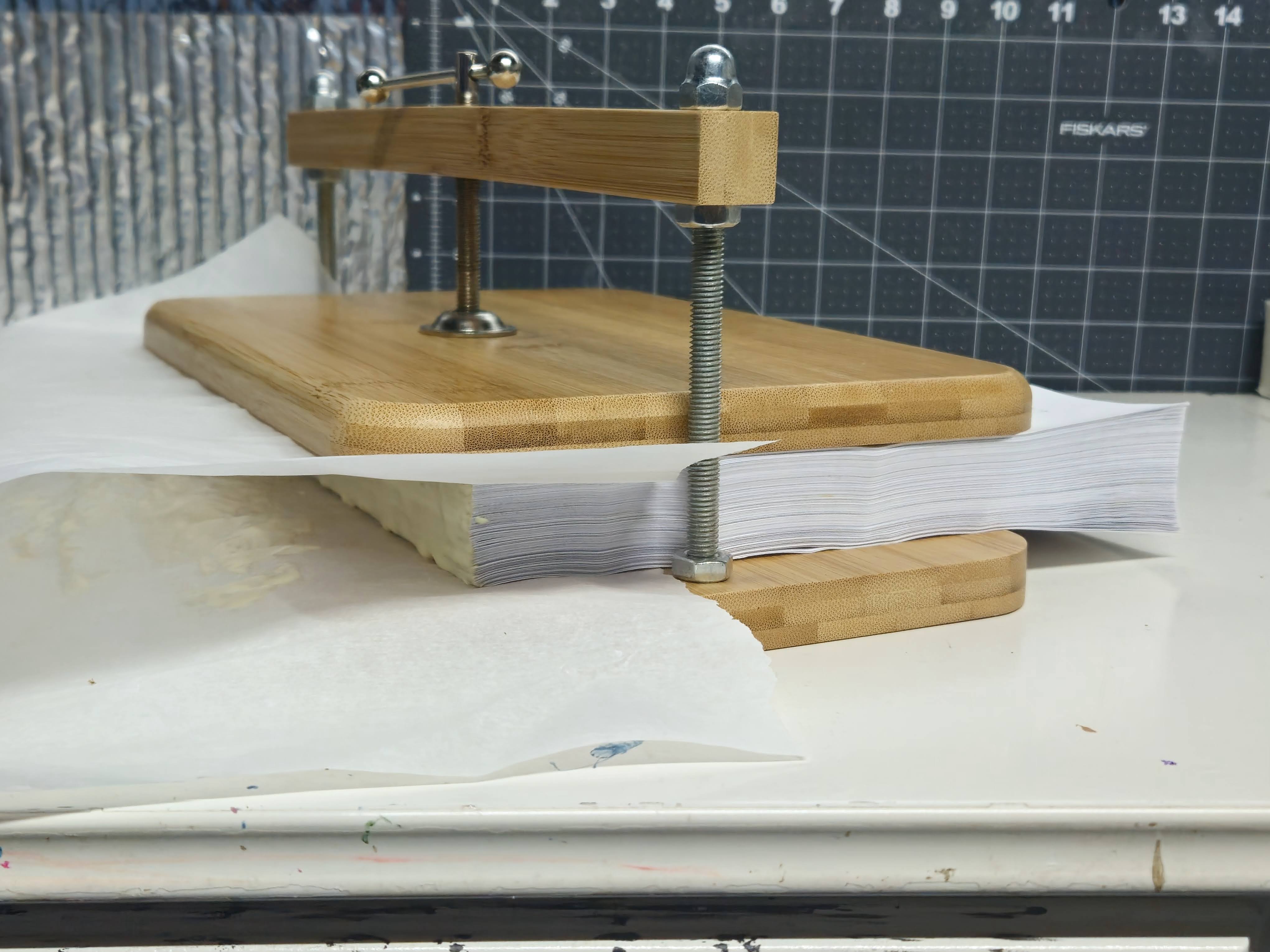
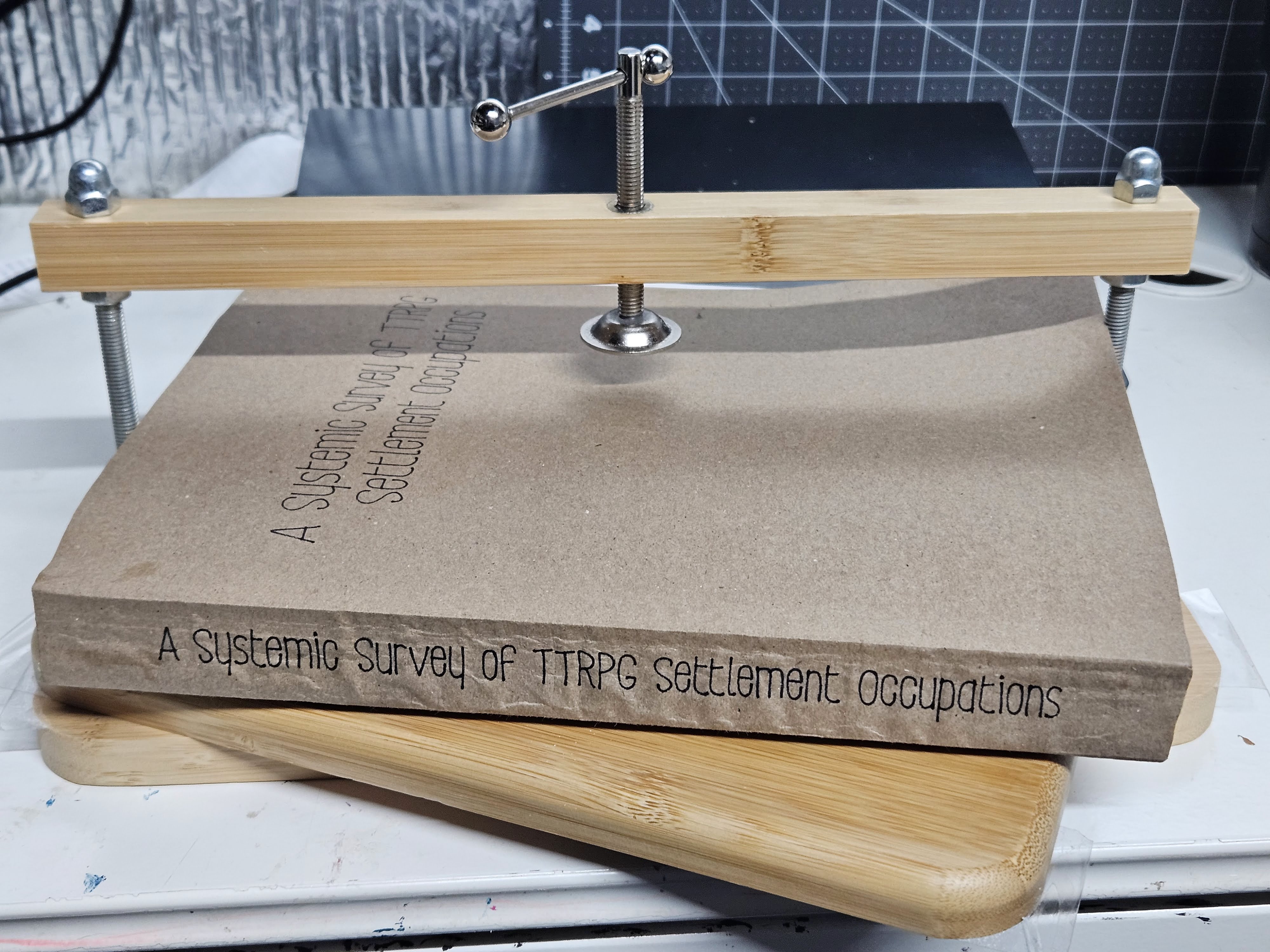
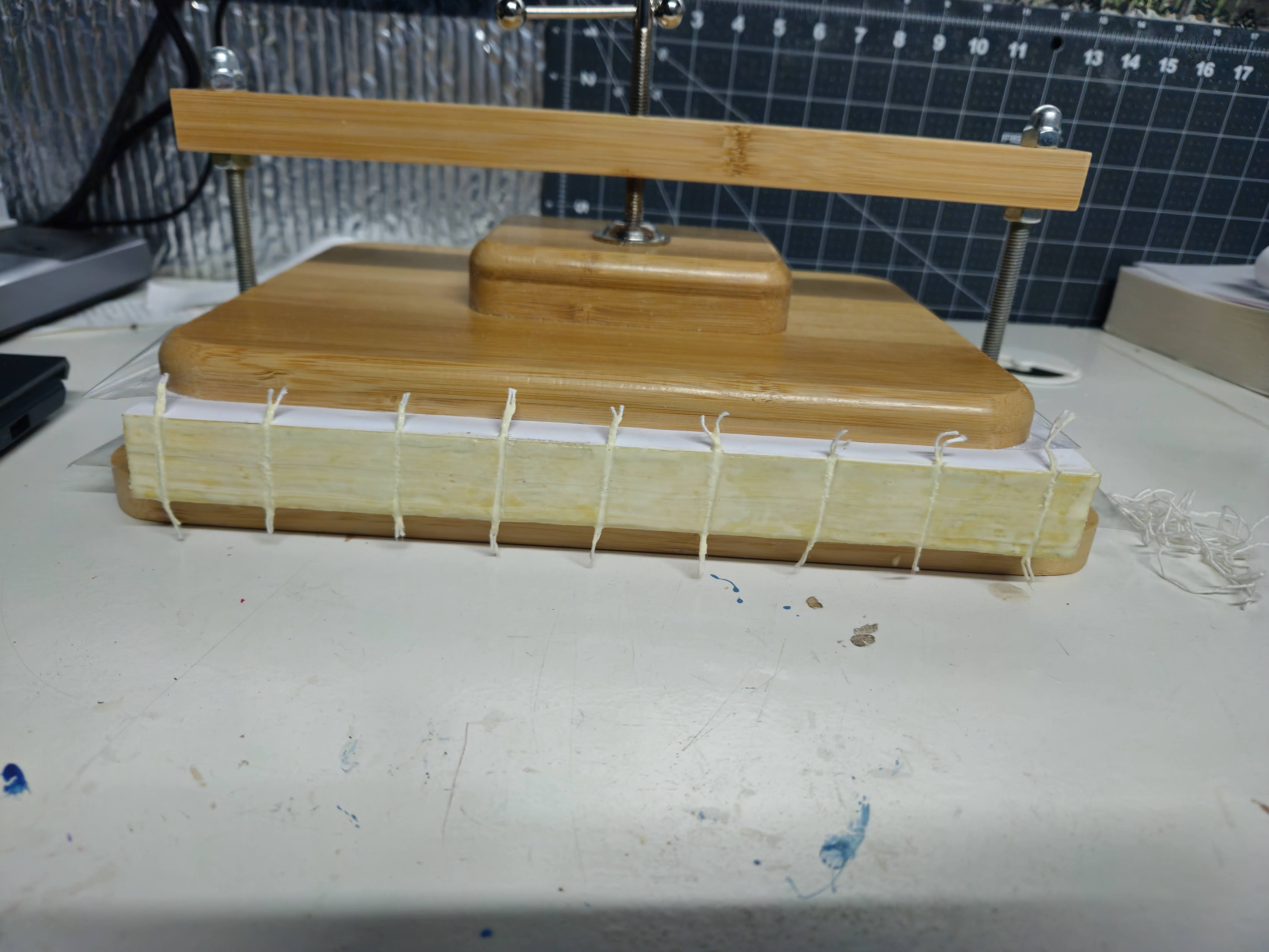
I stared at this stack of paper and realized I had a problem. I went through it with a red pen, culling over 100 pages (maybe a Volume 2?), and then ended up adding half of that back in. A second printing later, and I finally had something I could work with: A Systemic Survey of Occupations.
The Analog Tools
To make this massive tome usable at the table, I had to get creative with paper first.
Settlement Worksheets: I designed sheets to help plan random villages that players could wander into.
Placemarks: These are bookmarks that act like “Monster Cards” but for NPCs. They have the name, the job, the origin, etc. I can slot them right into the book at the page where that profession is detailed.
But 500 pages is a lot to flip through when your players decide to ignore the dragon and interview the local chandler instead.
The Digital Leap: Making it “Sentient”
This is where things got interesting. I started playing with a web-browser-based AI tool that can run AI right on your phone or laptop. To be honest, not great results, but it works, and that’s so cool!
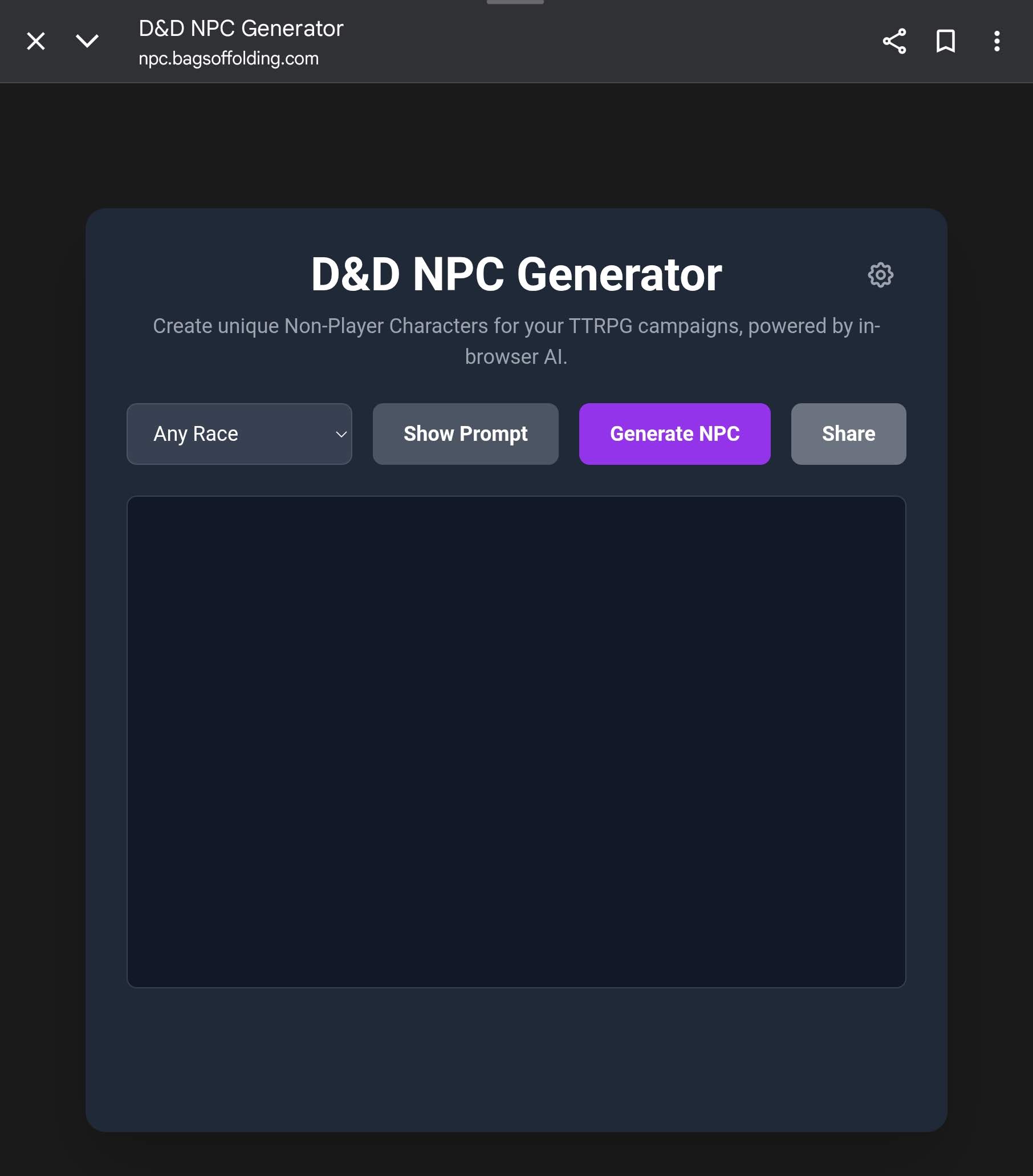
To make an AI useful for a specific game setting, you need good prompts. And to get good prompts, you need good source material. Enter the 500 page book.
I built a system of “mad-lib style” prompts using the content from the book. When I feed those grounded, historical details into a big AI model like Gemini or ChatGPT, the output is AMAZING. Good prompts give good results, and because I had done the deep dive research, I finally had the content to make great prompts.
After some tweaking and tuning, I had a web app that was surprisingly low friction. But I wanted to close the gap between the physical book and the digital tool.
The Sentient Grimoire

Now, the workflow is magic:
I’m running a game.
Players ask a question I didn’t prep for.
I tap my phone to the book. (NFC is pretty cool magic)
The app launches on my phone with the context of the book loaded.
I talk to the book.
The book talks back.
I can ask it to generate an NPC based on the exact page I’m reading, it answers with the systemic depth of the 500 pages backing it up.
That is basically what a sentient book is, right? A magical tome you can talk to, and it tells you everything you want to know about what’s inside it?
Yeah, I am going to totally claim to have created a sentient book.
This all is me trying to figure out how to use the new AI tools we have available to us. I was able to put something together that I am not sure I could have done at all, at a much higher quality than I would have gotten if I did do it all manually, in a crazy little amount of time.
I rather like it, and I think it changes the way we can run games. If you want to see what a “magic” RPG book looks like, or just need a historically accurate Gong Farmer for your next session, check it out at https://npc.bagsoffolding.com/ or read more at https://bagsoffolding.com/occupations-breakdown.